By Direct Shower Door · August 5, 2026 · 10 min read
Two decisions shape how a frameless shower looks and feels more than any other: how thick the glass is, and what kind of glass it is. Both are made quickly, often without much explanation, and both are effectively permanent once the panels are cut. A hinge can be swapped and a handle can be changed. The glass is the glass.
This guide explains what each choice actually changes, where the extra cost is worth it and where it is not, and how to match the glass to your bathroom rather than to a showroom. There is a comparison tool partway down if you want to see the options side by side.
The short answer
3/8 inch is the standard for frameless showers: strong, rigid and the better value for most doors and panels.
1/2 inch is the premium choice for large doors, tall panels and steam enclosures, and for anyone who wants the heaviest, most solid feel.
Clear suits most bathrooms. Low-iron is worth it against white tile and marble. Frosted adds privacy. Light tint warms a bright room.
Why Frameless Glass Is Thicker to Begin With
In a framed enclosure the metal frame carries the load. The glass inside it can be thin, often 3/16 or 1/4 inch, because the frame keeps it rigid, holds the hardware and absorbs the force of the door swinging shut. In a frameless enclosure there is no frame. The glass is the structure. It carries its own weight, it carries the hinges, and it takes every push and pull of daily use.
That is why frameless panels are noticeably heavier than anything you may be replacing, and why hinges, clamps and wall anchors are specified to match the glass. Thickness is a structural decision before it is an aesthetic one. All of our glass is tempered safety glass, which you can read more about in our guide to tempered glass.
What Changes as Glass Gets Thicker
Rigidity. Thicker glass flexes less. A thinner panel can have a slight give when the door swings; 1/2 inch reads as completely solid.
How wide a panel can span. Thicker glass supports a wider unsupported panel, which matters for large openings and for doors without a fixed panel beside them.
How the door feels. A 1/2 inch door swings with more weight and settles more definitively. This is the difference most people notice immediately.
Hardware requirements. Heavier glass needs hardware and anchoring rated for it, and it needs the wall behind it to take the load.
Cost. Thicker glass costs more, both in the panel and sometimes in the hardware that carries it.
Thicker is not automatically better. A small enclosure with short spans gains very little from the heaviest option, and the weight has to go somewhere. The right answer depends on the size of the panels, the span of the opening, and what the walls can carry, which is something we settle at the measure rather than from a catalogue.
3/8 Inch: The Frameless Standard
For most frameless doors and panels, 3/8 inch is the sweet spot. It is rigid enough to stand on its own as a door or a fixed panel, it looks substantial edge-on, and it keeps the weight on hinges and walls reasonable. It is the thickness most people are looking at when they admire a frameless shower in a showroom or a friend’s house.
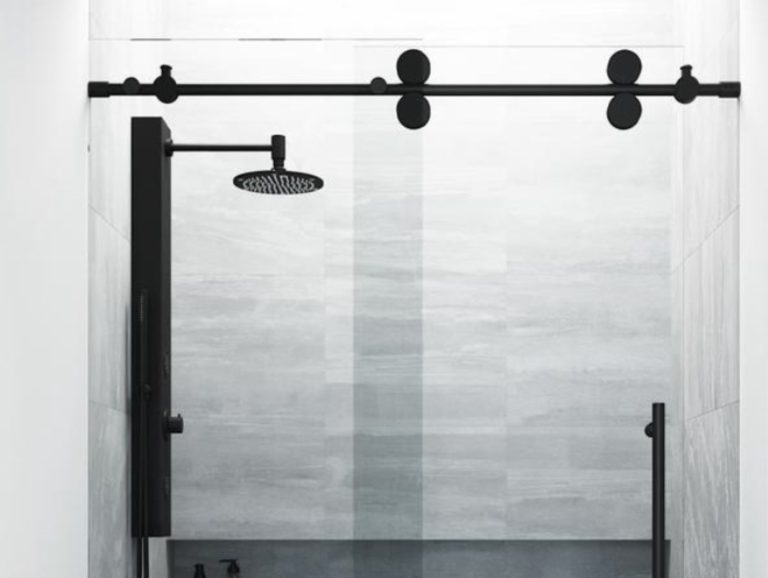
It is also the sensible choice for sliding doors. On a frameless slider the glass hangs from rollers rather than swinging on hinges, so the extra weight of 1/2 inch is felt less and buys you less.
1/2 Inch: When the Premium Is Worth It
Half-inch glass is the heavy, solid, luxury option, and there are specific situations where it is the right call rather than an upgrade for its own sake:
Large single doors. A wide or tall hinged door benefits from the extra rigidity.
Tall panels, including enclosures that run close to the ceiling.
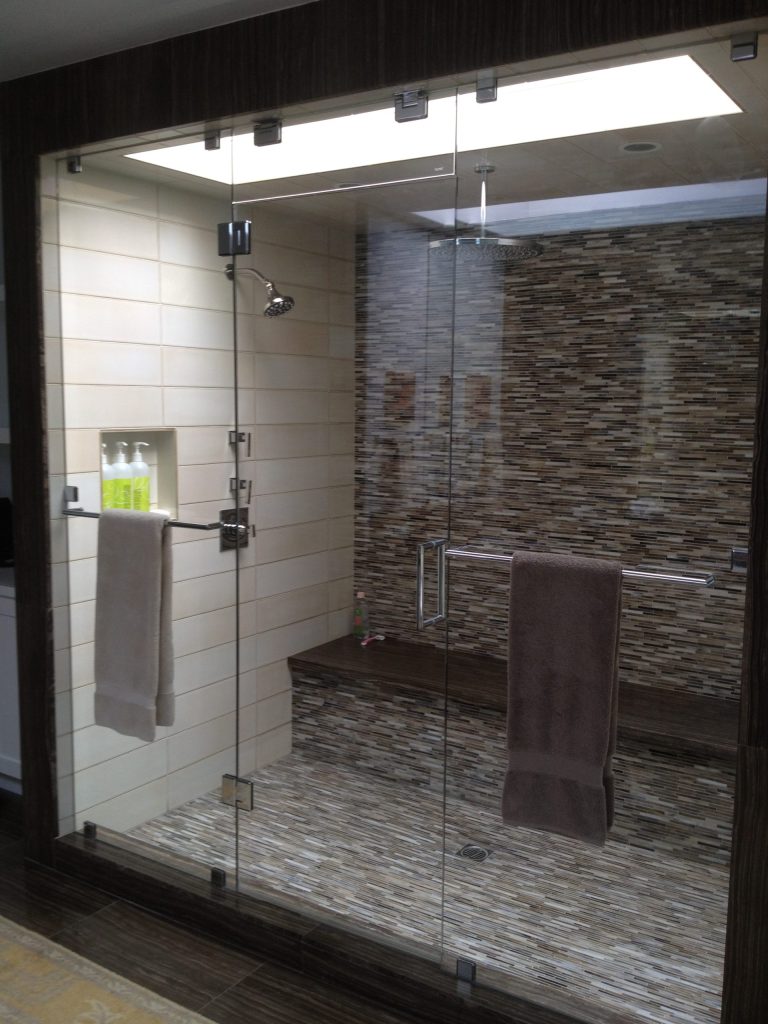
Steam enclosures, which are sealed top to bottom and work best with the most rigid panels.
Primary bathrooms where the door will be opened many times a day for years and you want the most substantial feel.
If none of those apply, 3/8 inch will serve you just as well and leave budget for the things you will notice more, like the hardware finish or low-iron glass.
Compare the Options Side by Side
Tap through the five options below to see how they compare on feel, clarity and privacy. These are relative comparisons to help you think, not lab measurements.
◆ Glass Comparison
Compare the glass options side by side
3/8" Clear
The standard for frameless. Light, strong, and shows off your tile.
Solid feel
Clarity
Privacy
1/2" Clear
Heavier and more solid to the hand. The premium feel, especially on big doors.
Solid feel
Clarity
Privacy
Low-Iron
Ultra-clear, without the faint green edge of standard glass. Best against white tile and marble.
Solid feel
Clarity
Privacy
Frosted
Sandblasted for privacy while still letting light through. Good for shared bathrooms.
Solid feel
Clarity
Privacy
Light Tint
A soft smoke tone that warms a bright bathroom and softens water spots.
Solid feel
Clarity
Privacy
Relative comparisons, not lab figures. See all options on Hardware & Glass.
Clear Glass and the Green Edge Nobody Mentions
Standard clear glass is not perfectly colourless. It has a slight green cast that comes from its iron content, which you see most at the edges and through the thickness of the panel. In most bathrooms it goes unnoticed. Against mid-tone tile, stone with some colour in it, or a bathroom with warm lighting, clear glass looks exactly as you expect.
Where the green does show is against white or very pale tile, and on thicker panels, because you are looking through more glass. If you have chosen a white marble or a crisp white subway tile and you want it to read as genuinely white through the glass, read on.
Low-Iron Glass
Low-iron glass has most of that iron content removed, so it is substantially clearer and the edges read close to colourless. Against light tile and light stone the difference is obvious once you have seen the two side by side, which is why we bring samples to every estimate.
It costs more than standard clear. Whether that is worth it depends almost entirely on what is behind the glass. Against dark tile, very few people would be able to pick which one they were looking at. Against white marble, many people would never choose anything else. Our guide to clear versus low-iron glass goes deeper on when to choose it.
Frosted Glass for Privacy
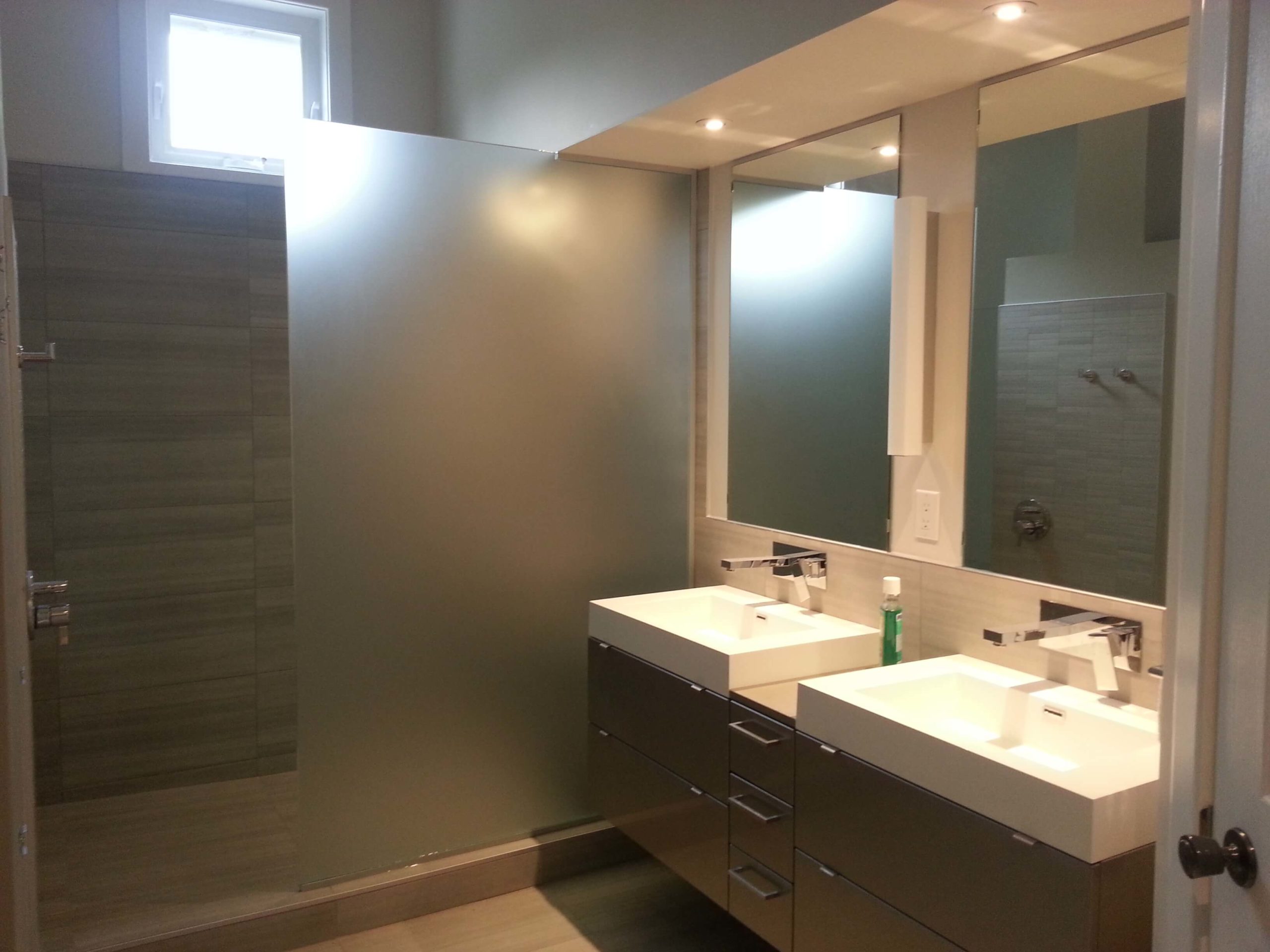
Frosted (sandblasted) glass diffuses the view while still letting light through, which makes it the usual choice for shared bathrooms, a shower that faces the bathroom door, or a bathroom with a window where you would rather not have a clear line of sight. It also hides water spots better than clear glass, which some households value as much as the privacy.
The trade-off is that it makes the enclosure read as a solid element rather than disappearing, so a small bathroom can feel smaller. A common compromise is frosted glass on the panel facing the door and clear elsewhere. See our guide to privacy glass for more combinations. Please note that we do not offer fluted or reeded glass.
Light Tint
A light tint adds a soft smoke tone. It warms up a very bright, white bathroom, gives the enclosure a little more presence, and is forgiving of water spots between cleans. It suits contemporary bathrooms with darker fixtures, especially matte black or bronze hardware. In a small or dim bathroom it can make the space feel darker, so it is best seen in your own light before you commit.
How to Actually Decide
Start with the room rather than the glass.
Size the thickness to the panels. Standard doors and panels: 3/8 inch. Large doors, tall panels or a steam shower: consider 1/2 inch.
Look at what is behind the glass. White or very pale tile and stone make the case for low-iron. Darker tile makes it hard to justify.
Be honest about privacy and cleaning. A shared bathroom or one that faces a door may want frosting on at least one panel. A household that will not squeegee daily may prefer frosted or tinted glass that hides spots.
See samples in your own light. Glass looks different under a showroom’s lighting than under yours, which is why we bring samples to your home.
The last part is the easiest to get wrong on your own, because thickness interacts with the span of your opening and with what your walls can carry. That is exactly what a measure is for.
Thickness and Glass Type at a Glance
Choice
Best for
Think twice if
3/8″ clear
Most hinged doors, sliders, splash panels and corner units
The door is very large or very tall
1/2″ clear
Large doors, tall panels, steam enclosures, a heavier feel
The walls cannot take extra weight, or budget is tight
Low-iron
White tile, white marble, bright bathrooms
The tile is dark or warm-toned
Frosted
Shared bathrooms and showers in view of a door or window
The bathroom is small and you want it to feel open
Light tint
Warm, bright bathrooms with bronze or black hardware
The bathroom is dim or has little daylight
Common Mistakes When Choosing Glass
Choosing thickness for looks alone. 1/2 inch feels wonderful, but on a small door the difference is modest and the extra weight still has to be carried. Let the size of the panels guide it.
Deciding on low-iron from a photo. Photos exaggerate or hide the green tint depending on the light and the camera. Hold real samples against your own tile.
Frosting everything in a small room. If privacy only matters from one direction, frost the panel that faces it and keep the rest clear.
Forgetting the hardware. Glass and finish are seen together. Satin brass against clear low-iron glass looks very different from satin brass against light tint. Our finish guide helps you pair them.
Ignoring the water. In hard water areas, clear glass shows spots most. If you do not want to squeegee daily, frosted or tinted glass is more forgiving. See our hard water guide.
Three Bathrooms, Three Answers
A compact hall bathroom with white subway tile
3/8 inch low-iron glass on a frameless slider or a single hinged door. The glass disappears, the white tile stays white, and the room feels larger.
A family bathroom used by several people
3/8 inch frosted glass, or frosted on the panel facing the door with the rest clear. Privacy where it matters, light everywhere, and spots are far less visible.
A primary suite with a large walk-in and stone tile
1/2 inch clear or low-iron glass, depending on how pale the stone is. The heavier glass suits the larger panels and gives the enclosure a substantial, quiet feel.
Frequently Asked Questions
Is 3/8 inch glass strong enough for a frameless shower door?
Yes. 3/8 inch tempered glass is the most common thickness for frameless doors and panels and is rigid enough to stand on its own. We recommend 1/2 inch for large doors, tall panels and steam enclosures.
Does thicker glass hold heat better in a steam shower?
The bigger factor in a steam shower is the seal: glass to the ceiling and a transom or header that contains the steam. Thicker glass helps by staying perfectly rigid, which keeps the seals tight. See our steam shower guide.
Can I mix glass types in one enclosure?
Yes. A common choice is frosted on the panel facing the bathroom door and clear on the rest. We can show you combinations when we measure.
Is all your glass American-made?
Yes. Every enclosure uses American-made tempered safety glass and American-made hardware.
Is 3/8 inch glass strong enough?
Yes. 3/8 inch tempered glass is the frameless standard and is strong enough for most doors and panels. See our tempered glass guide.
Can I mix glass types in one enclosure?
Frosted and clear mix well, for example a frosted return panel beside a clear door. Mixing clear and low-iron side by side is best avoided, because the difference becomes more visible.
The best way to choose is to see the glass in your own bathroom. Get a free quote with an exact price the same day, often right over the phone. When you are ready, we measure in your home and bring samples. Prefer to talk it through? Call 800-715-0031.
Tempered Safety Glass Explained: Why Every Shower Door Uses It
Is shower door glass safe? How tempered safety glass is made, why it is several times stronger than ordinary glass, how it breaks, and the care that keeps it safe for years.
Shower Door Handle Styles: How to Pick the Right Pull
Compare shower door handle styles: tubular, ladder, mitered, square, traditional and antique. How each feels, which bathrooms they suit, and how to match them to your finish.
Channel vs. Clamps: How Your Shower Glass Is Held in Place
U-channel or clamps for frameless shower glass? Compare the look, cleaning, water tightness and how each handles uneven walls, so you can choose the right fixing for your panels.