By Direct Shower Door · August 5, 2026 · 8 min read
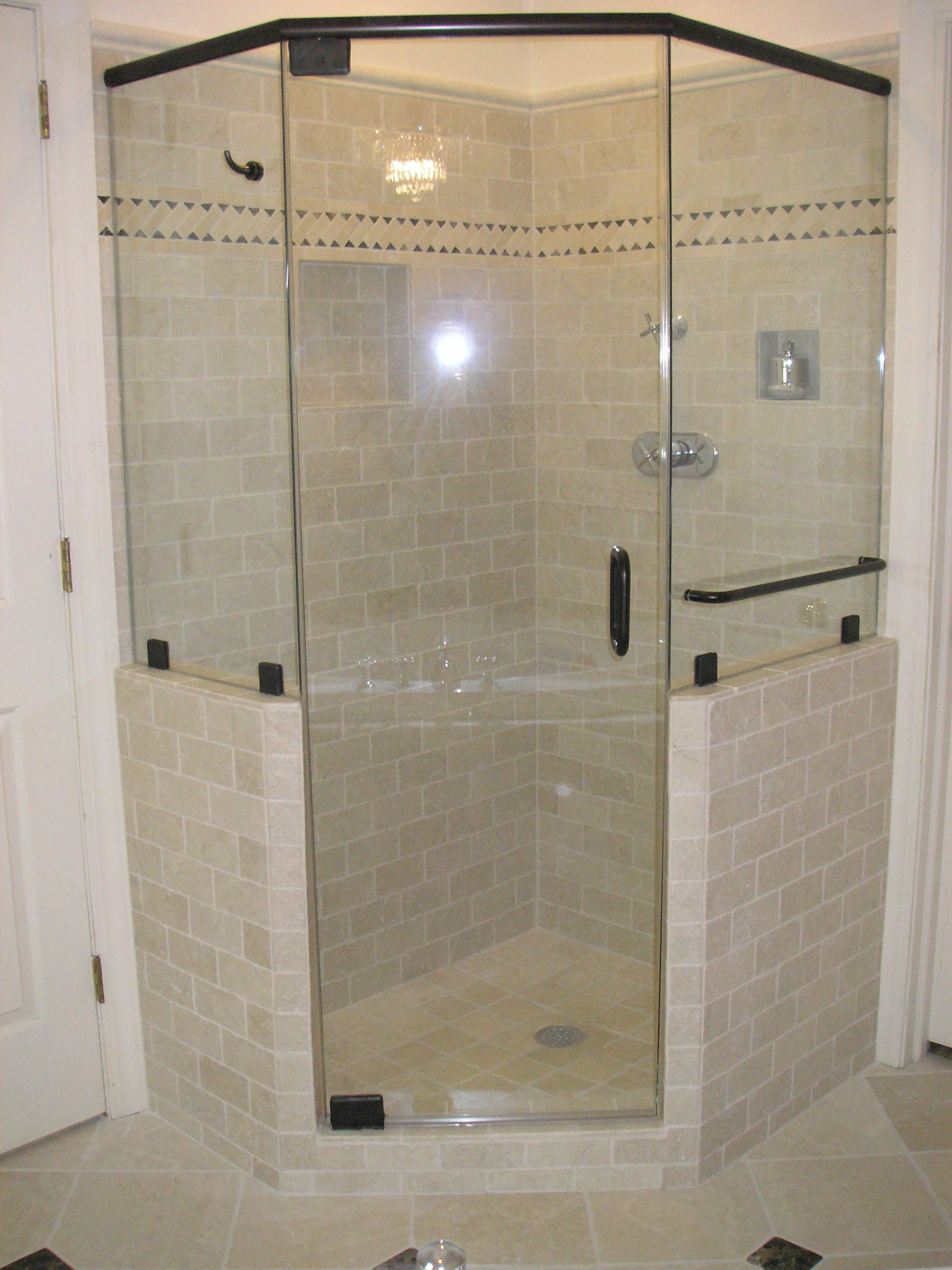
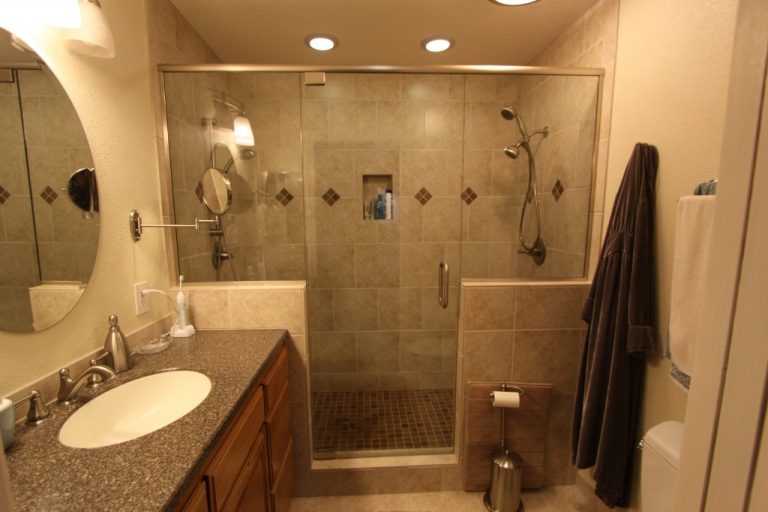
Frameless glass is the easiest shower enclosure to keep looking good, and also the easiest to let go. There is no frame trapping water in the corners and no bottom track collecting grime, which is most of why people choose it. The trade-off is that there is also nothing hiding a water spot. A framed door forgives neglect. Frameless glass shows it.
The good news is that keeping it clear takes about thirty seconds a day, and almost everything that ruins frameless glass is avoidable. This guide covers the routine, the right products, the ones to avoid, and what to do if your glass has already started to cloud. There is a printable checklist near the end that remembers what you have ticked.
The short answer
Squeegee after every shower. It prevents more damage than any cleaner.
Clean weekly with a pH-neutral cleaner and a microfiber cloth.
Never use abrasive pads, scouring powder, razor blades or ammonia-based cleaners on the glass or hardware.
Hard water is the real enemy in Southern California. Deal with spots before they etch.
The Squeegee Does Most of the Work
If you take one thing from this article, take this: keep a squeegee in the shower and pull the glass down once after every use, while it is still wet. It takes less time than drying off.
This matters more than any cleaning product, because the damage that makes glass look permanently cloudy does not come from dirt. It comes from water sitting on the surface and evaporating, leaving its mineral content behind. Remove the water before it dries and there is nothing left to build up.
A few technique notes make it faster and more effective:
Work top to bottom in overlapping vertical strokes so you are not pushing water back over cleaned glass.
Wipe the blade on a towel every few strokes.
Finish the bottom edge and the door sweep, where water collects.
Leave the door ajar afterwards so the enclosure dries out.
Southern California Water Is Hard on Glass
Water across much of Southern California carries a high mineral load, and it is generally harder the further inland you go, which matters for homes in the Inland Empire in particular. Those minerals, mostly calcium and magnesium, are what form the white haze you see on older shower doors, and they are cumulative. Each droplet that dries leaves a small deposit, and the next one bonds to it.
Left long enough, the deposits can etch into the surface of the glass rather than sitting on top of it. At that point cleaning will not bring it back. This is the single most common reason a shower enclosure looks a decade older than it is, and it is entirely preventable. Our full guide to hard water and glass showers covers water softeners, filtered shower heads and protective coatings.
What to Clean With
For weekly cleaning you need very little:
A pH-neutral glass or shower cleaner, or a few drops of mild dish soap in warm water.
Two microfiber cloths, one to wash and one to dry and buff.
A soft-bristled brush for around hinges and clamps.
For mineral spots that have started to build, white vinegar is the safest effective option. Mix it half and half with water in a spray bottle, spray the affected area, leave it for ten to fifteen minutes, then wipe and rinse thoroughly with plain water. A paste of baking soda and water on a damp microfiber cloth helps lift stubborn spots without scratching. Always rinse well: vinegar left sitting on metal finishes can dull them over time.
What Never to Use
Most damage to frameless glass is done while cleaning it. Avoid:
Abrasive pads and scouring sponges, including the green side of a kitchen sponge. They leave fine scratches that catch minerals and make the glass harder to keep clean.
Scouring powders and gritty cleansers.
Razor blades and scrapers on the glass.
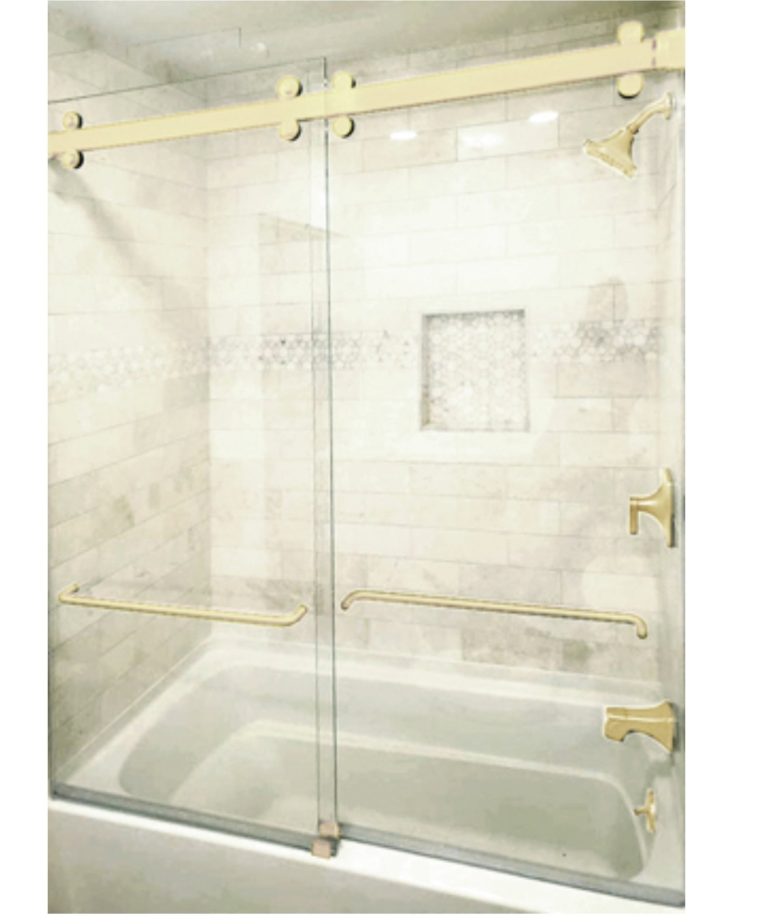
Ammonia and strong acid or alkaline cleaners on the hardware. They can damage finishes, particularly specialty finishes like satin brass, oil rubbed bronze and matte black.
Steel wool, under any circumstances.
Caring for Hinges, Clamps and Handles
The hardware deserves its own attention. Water and soap residue collect where hardware meets glass, so wipe hinges, clamps and handles with a soft cloth and mild soapy water each week, then dry them. A soft toothbrush gets into the edges. Different finishes have different tolerances; our guide to hardware finishes notes which are the most forgiving of water spots.
If a door starts to sag, stick, or no longer closes cleanly, do not force it. Hinges can be adjusted, and it is a quick job for us. Call 800-715-0031.
Seals, Sweeps and the Bottom Edge
The clear vinyl seals on the door edges and the sweep along the bottom take the most wear. Rinse soap off them weekly and check them monthly. If a seal has torn, hardened or come loose, or water has started getting past the door, the seal is usually what needs replacing, not the door.
Your Care Routine, as a Checklist
Tick these off as you go. The checklist remembers your progress on this device, and the print button gives you a copy to keep in the bathroom.
◆ Care Checklist
Your frameless glass care routine
After every shower
Every week
Every month
Every year
Your ticks are saved on this device only.
If Your Glass Is Already Cloudy
Start gently. Try the vinegar method above two or three times before assuming the worst; light buildup often comes off with patience. If the haze does not shift at all, and especially if it feels smooth to the touch rather than gritty, the minerals may have etched into the glass. At that point cleaning will not restore it.
Etched glass is not a safety problem, but it does not come back to clear. If your existing enclosure has reached that point, a new one with a protective coating and a squeegee habit will look new for years. Call us for a free quote and we will tell you honestly whether it is worth replacing.
Protective Coatings
Glass protection treatments bond to the surface and make water bead and run off rather than sitting flat and drying. They do not replace the squeegee, but they make it more effective and make weekly cleaning noticeably easier. They are worth considering anywhere with hard water, and they can be reapplied over time.
Small Choices That Make Glass Easier to Live With
If you are still choosing your enclosure, a few decisions make maintenance easier from day one:
Frosted or lightly tinted glass hides water spots better than clear. See our privacy glass guide.
Brushed nickel hides spots and fingerprints better than polished finishes.
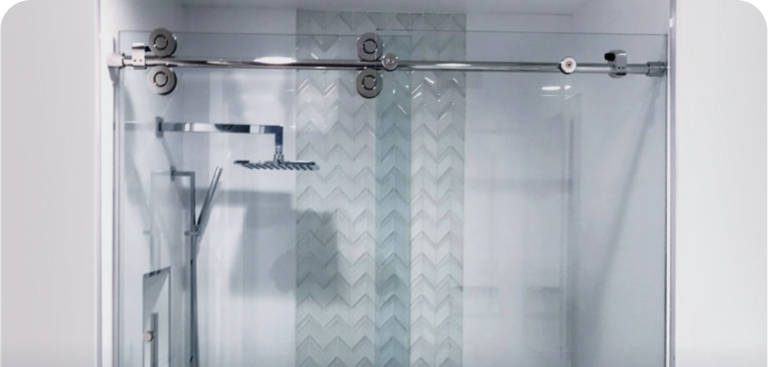
A hinged door has less hardware to clean than a slider, though both are easy compared with a framed door.
Clamps instead of channel mean no U-shaped track along the base for water to sit in. Our channel versus clamps guide explains the difference.
A Seasonal Note for Southern California Homes
Summer heat makes water evaporate faster, which means spots form faster too. If you notice your glass clouding more quickly in July and August, that is why. Keep the squeegee habit going and do the monthly vinegar treatment a little more often in the hottest months. Homes in the Inland Empire, where summers are hottest and water is often hardest, will notice this most. Near the coast in San Diego County and Orange County, humidity slows drying, but a bathroom that stays damp needs good ventilation to keep hardware and seals in good shape.
Care by Finish
Finish
Shows water spots
Care tip
Polished chrome
Yes, but wipes off easily
Wipe and buff dry weekly
Polished nickel
Yes
Soft cloth only; dry after cleaning
Brushed nickel
Least visible
Wipe along the grain
Satin brass
Somewhat
Mild soap only; keep vinegar off
Oil rubbed bronze
Somewhat
Mild soap only; avoid acids
Matte black
Shows pale mineral marks
Dry after every clean
The Five-Minute Weekly Clean, Step by Step
Rinse the glass with warm water to loosen soap.
Spray a pH-neutral cleaner, or wipe with a few drops of dish soap in warm water.
Wipe each panel with a damp microfiber cloth, top to bottom, including the edges.
Clean around hinges and clamps with a soft toothbrush.
Rinse, squeegee, then buff the glass and hardware dry with a second microfiber cloth.
Common Care Mistakes
Spraying cleaner straight at hardware. It runs into joints and sits there. Spray the cloth instead.
Using the “glass cleaner” from under the kitchen sink. Many contain ammonia, which can harm protective coatings and some finishes.
Waiting until the glass looks dirty. By then, minerals are already bonding. The squeegee habit stops it at the start.
Letting a dropped door rub. A door that touches the curb or wall can chip the glass edge. Call us for a quick hinge adjustment.
Frequently Asked Questions
How often should I clean frameless shower glass?
Squeegee after every shower and do a proper clean once a week. A monthly vinegar treatment handles any mineral buildup before it becomes a problem.
Is vinegar safe on shower door hardware?
Diluted vinegar is fine for short periods, but rinse it off thoroughly. Prolonged contact can dull metal finishes, especially specialty finishes.
Can hard water stains be removed?
Surface deposits usually can, with vinegar and patience. Once minerals have etched into the glass, the cloudiness is permanent.
Do you adjust doors after installation?
Yes. If a door drops or does not close cleanly, the hinges can be adjusted. Give us a call.
What is the best squeegee for frameless glass?
Any squeegee with a soft, flexible rubber blade and no metal edges that can touch the glass. Replace the blade when it starts to leave streaks.
Can I use a magic eraser on shower glass?
No. Melamine sponges are mildly abrasive and can leave fine scratches that catch minerals.
Thinking about replacing a tired enclosure? Get a free quote with an exact price the same day, often right over the phone. When you are ready, we measure in your home and bring samples. Or call 800-715-0031.
When to Order Your Shower Door During a Bathroom Remodel
Remodelling a bathroom? Learn when to choose your shower door style, when to book the glass measure, what to tell your contractor, and how to avoid delays at the end of the job.
Frameless Sliders Explained: The Modern Sliding Shower Door
How do frameless sliding shower doors work? Learn about top rails and rollers, single vs. double sliders, 90 degree corner sliders, finishes, and when a slider beats a hinged door.
Shower over a tub? Learn how bypass sliding doors work, how they compare with a tub splash panel or hinged door, and how to choose glass, hardware and finish for your bathroom.