Steam Shower Enclosures: What to Plan Before You Build
By Direct Shower Door · October 2, 2026 · 7 min read
A steam shower turns an ordinary shower into something closer to a home spa. Close the door, switch on the generator, and the enclosure fills with warm steam. It is one of the most requested upgrades in bathroom remodels, and one of the most misunderstood, because the glass enclosure has a very different job to do than a regular shower door.
A normal shower enclosure only has to keep water in. A steam enclosure has to keep steam in, which means sealing the whole space from floor to ceiling, and then letting it out again when you are done. This guide covers what makes a steam enclosure different, the decisions to make early, and what to coordinate between your contractor and your glass installer.
The short answer
Steam enclosures run to the ceiling, or close to it with a transom panel, so steam cannot escape over the top.
Doors and panels carry full seals on every gap, including a sweep at the bottom.
Most include an operable transom or vent to clear the steam after use.
Thicker glass, often 1/2 inch, is common because the panels are tall.
Plan the glass at the same time as the steam generator, ceiling and waterproofing, not afterwards.
How a Steam Enclosure Differs From a Standard Shower
Full height
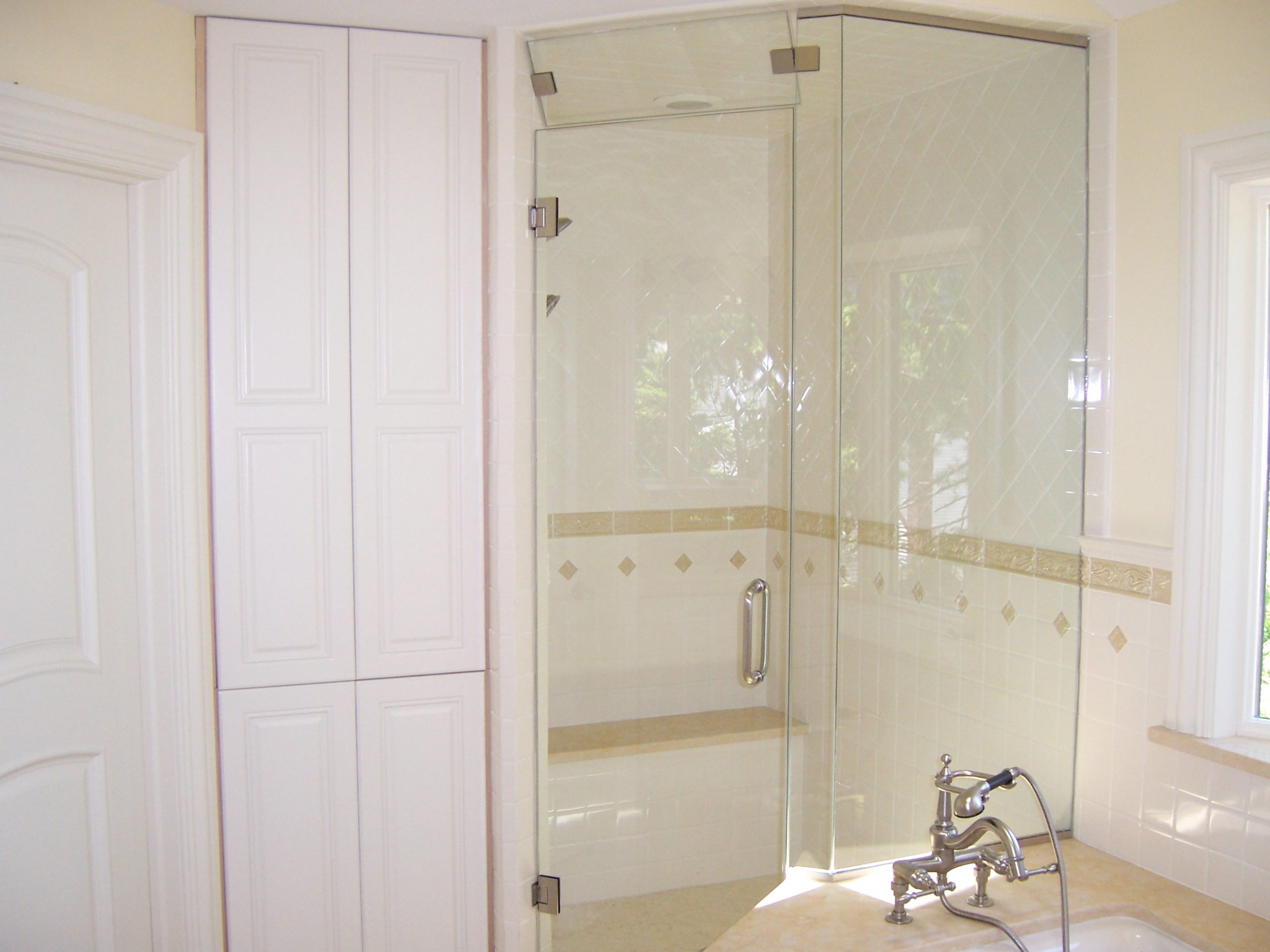
Steam rises. A standard enclosure that stops a foot or two below the ceiling lets it pour straight out. Steam glass runs to the ceiling, or to a header with a glass transom panel above the door, so the space is closed on every side.
Sealed gaps
Frameless doors normally have small gaps at the hinge side, the latch side and the bottom so they can swing freely. In a steam enclosure those gaps get clear vinyl seals and a bottom sweep. The door still swings easily; it just closes against a seal rather than an open gap.
A way to let steam out
When the session ends you need to clear the steam, or it condenses on every surface in the bathroom. An operable transom, a small glass panel above the door that tilts open, is the usual solution. Opening the door also works, but a transom lets the enclosure air out without flooding the room with steam.
Heavier glass
Full-height panels are tall and the door is often larger than a standard shower door. 1/2 inch tempered glass adds rigidity and a more substantial feel, and is a common choice for steam. Our glass thickness guide explains the trade-offs.
What Your Contractor Handles, and What We Handle
A steam shower is a team effort. The glass is the visible part, but it depends on everything behind it.
Your contractor or plumber installs the steam generator, the steam head, the controls and the electrical supply.
Your contractor or tile setter builds the vapor-proof waterproofing behind the tile, and usually slopes the ceiling slightly so condensation runs to the walls rather than dripping on you.
We measure the finished opening, then build and install the glass enclosure: the panels, the door, the transom, the seals and the hardware.
The important part is timing. Tell us early that the shower is a steam shower, so the opening, the header and any transom are planned from the start. We measure once the tile is finished. Our guide on when to order glass during a remodel walks through the sequence.
Design Decisions for a Steam Enclosure
Door placement
The door should swing out of the shower, and clear the vanity and the bathroom door when open. In a steam shower it is worth placing the steam head away from the door and from any bench, since the steam comes out hot.
Transom or fixed glass to the ceiling
Some enclosures use fixed glass right up to the ceiling with a gap-free seal, and rely on the door for venting. Others put a transom above the door. A tilting transom is more convenient day to day and helps the bathroom dry faster.
Glass type
Clear and low-iron glass show off the tile and keep the enclosure feeling open, which matters in a tall space. Frosted or lightly tinted glass adds privacy. Every option is tempered safety glass. See our tempered glass guide for why that matters.
Hardware finish
Steam is harder on finishes than ordinary showering, so wiping and drying hardware matters. All six of our finishes are available for steam enclosures. Polished chrome is the most forgiving; brushed nickel hides spots well. Our finish guide compares them.
Corner or alcove
Steam works in an alcove (three walls and a glass front), a corner, or a neoangle. Fewer glass panels means fewer joints to seal, so an alcove is the simplest steam layout.
Where Steam Sits on Price
Steam enclosures are the most involved glass we build: more glass, taller panels, a transom, and seals on every edge. Use the explorer below to see how steam compares with other styles, and how thickness and glass type move it further.
◆ Price Factors
See what moves the price of a shower door
LowerHigher
This shows how choices move the price relative to each other. It is not a quote, and there are no dollar figures here on purpose: every opening is different. Get your exact price with a free quote →
Living With a Steam Shower
Vent after every session by opening the transom or the door so the enclosure dries.
Squeegee the glass afterwards. Steam leaves minerals on glass just like shower water does, and Southern California water is hard. See our hard water guide.
Check seals every few months. They are the part that wears, and they are easy to replace.
Wipe and dry the hardware to keep the finish looking new.
Standard Enclosure vs. Steam Enclosure
Standard shower
Steam shower
Height
Stops below the ceiling
To the ceiling, or a header with a transom
Gaps
Small gaps around the door
Sealed on every edge
Venting
Open top
Operable transom or door
Typical glass
3/8″ or 1/2″
Often 1/2″ for tall panels
Planning
Measure after tile
Plan with the contractor before framing, measure after tile
A Steam Planning Checklist
Decide on steam at the design stage. It affects framing, waterproofing, electrical and the ceiling.
Choose the location of the generator with your contractor. It usually sits in a nearby cabinet, closet or attic space.
Plan the ceiling. A slight slope helps condensation run to the walls.
Place the steam head away from the bench and the door, low on the wall.
Decide the door swing and transom with us before tile, so the opening suits it.
Finish the tile, including the ceiling if tiled, then book the glass measure.
Choose glass and finish at the measure, with samples in your own light.
Common Steam Shower Mistakes
Treating it like a normal shower with a generator added. Without full-height, sealed glass, the steam simply escapes.
Making it too big. A larger enclosure takes more steam to fill and longer to heat. Keep the volume sensible.
Forgetting to vent. Without a transom or an open door after use, moisture lingers in the enclosure and the bathroom.
Ordering glass at the end. Steam glass is the most involved enclosure we build. Involve us early so the schedule is not held up. See the installation timeline.
Is a Steam Shower Worth It?
For many homeowners, yes. A steam shower can turn a daily routine into something relaxing, and it makes a strong impression in a primary suite. It does involve more planning and a larger budget than a standard enclosure. If you would use it regularly and you are already remodelling the shower, it is the best time to add it. If you are only replacing a door, a beautiful frameless enclosure may give you most of what you want for far less.
Frequently Asked Questions
Can I convert my existing shower into a steam shower?
It depends on what is behind the tile and above the shower. Steam needs vapor-proof waterproofing and a generator, so it usually means remodelling the shower. The glass is the last step.
Does a steam enclosure need to go all the way to the ceiling?
The enclosure needs to be closed on top, either with glass to the ceiling or a header and transom, so steam cannot escape.
Is the door harder to open with seals?
No. A properly installed sealed door swings normally; the seals simply close the gaps.
Do you install the steam generator?
No. Your contractor or plumber installs the generator and controls. We build and install the glass enclosure.
Can a neoangle be a steam shower?
Yes, as long as the glass runs to the ceiling and seals fully. Fewer panels are simpler to seal, so an alcove is the easiest steam layout.
Does steam damage the glass or hardware?
Tempered glass handles steam well. Hardware lasts best if you wipe and dry it, and vent the enclosure after each use.
Planning a steam shower? Get a free quote with an exact price the same day, often right over the phone. When you are ready, we measure in your home and bring samples. Or call 800-715-0031.
Frameless Sliders Explained: The Modern Sliding Shower Door
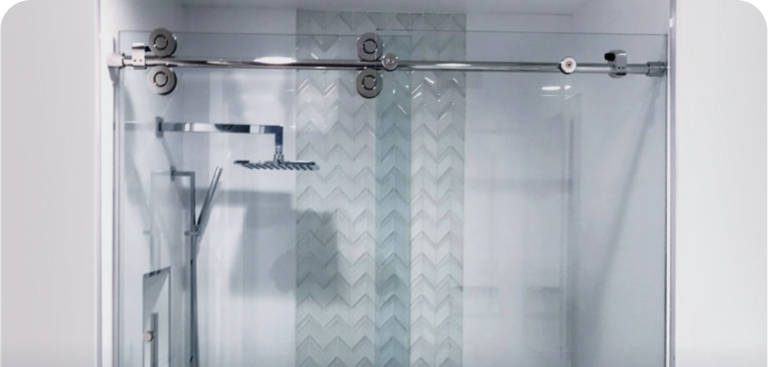
How do frameless sliding shower doors work? Learn about top rails and rollers, single vs. double sliders, 90 degree corner sliders, finishes, and when a slider beats a hinged door.
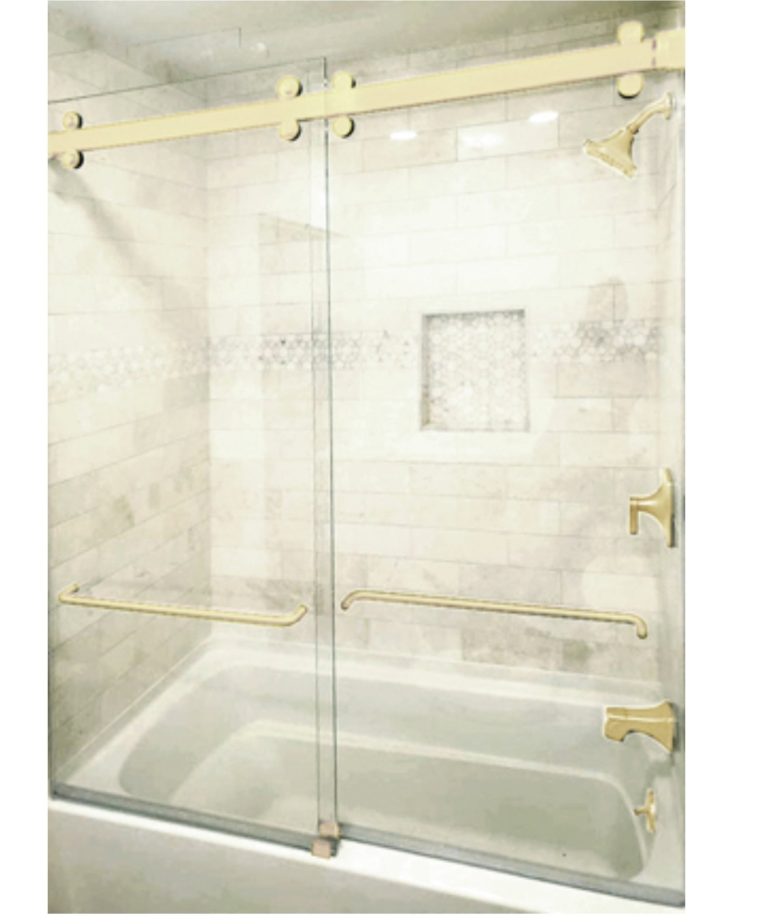
Shower over a tub? Learn how bypass sliding doors work, how they compare with a tub splash panel or hinged door, and how to choose glass, hardware and finish for your bathroom.
Door and Inline Panel vs. Single Door: Which Fits Your Opening?
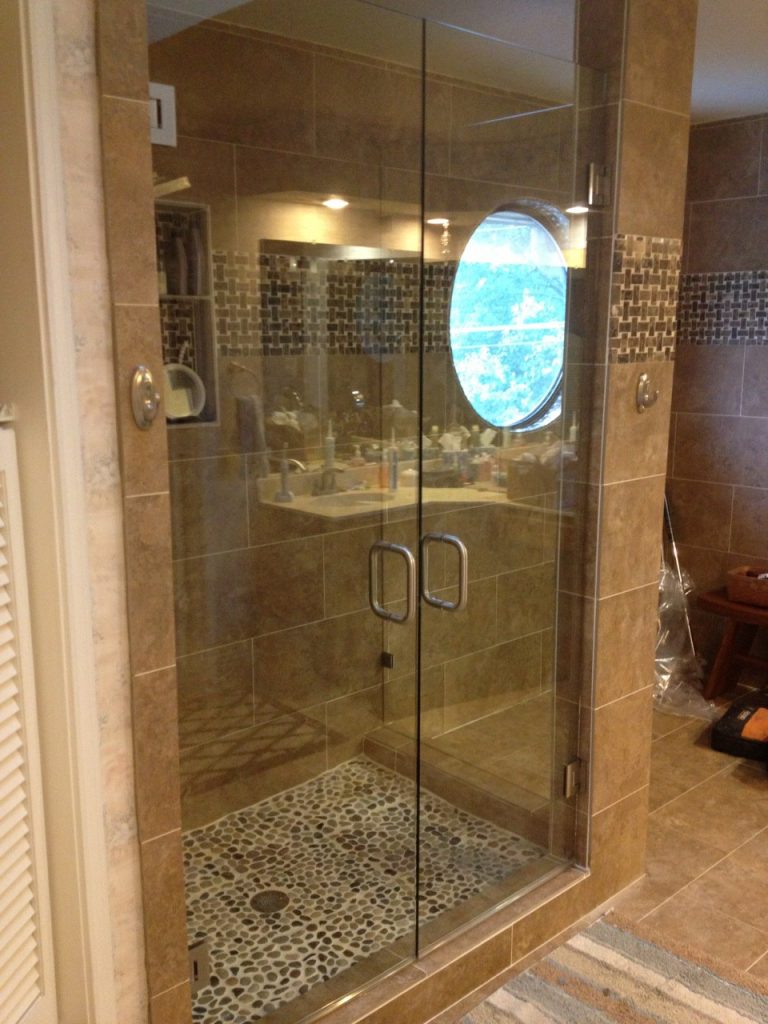
Single frameless shower door or a door with an inline panel? Compare opening widths, door swing, water control and looks, and use our measuring helper to check your shower.